
Valor to Virtue

Impact Report 2017 – 2026

Conservation, education and health on the Kenyan coast — what ten years of work adds up to.

  • $784,800 Total invested 2017 – 2026
  • 81% To conservation of all spending
  • 5 Land sites protected 3 leases, 2 properties
  • Kilifi County Main focus Kenya

Highlights by area

1

Conservation

Our main focus
  • Protecting land and sea through land security, education and awareness
  • 5 land sites protected — 3 leases and 2 properties
  • Twice-weekly beach clean-ups on Bofa Beach
  • Vehicles for rangers and team training
2

Education

Schools and young people
  • Funding schools, teacher salaries, university fees and field trips for young people
  • Funding Dindi Mbingi's studies
  • Paying teacher salaries at Future Hope
  • 20 students and teachers taken on safari
3

Health

Medical care
  • Paying for medical care for individuals who could not otherwise get it
  • Surgeries funded for a young boy

Why all three? We believe the health of people, communities and the planet are strongly linked.

Where we work

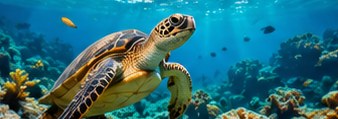
Kenya's coast is home to elephants, five species of sea turtle, whale sharks and many rare birds. Its coastal forests are one of the world's top 25 biodiversity hotspots. Many coastal communities depend on natural resources and have limited access to schools and health care.

Main focus
Kilifi County, Kenya
Also active in
Diani, Vipingo, Watamu and Laikipia
Past support abroad
Thailand, Panama, Uganda and USA

What happens next?

  • Research.
  • Reforestation.
  • A five-year plan.

Our decade at a glance

  1. 2017Founded

    Organisation set up with three focus areas

  2. 2018Education

    Began funding Dindi Mbingi's studies

  3. 2019Schools

    Paid teacher salaries at Future Hope

  4. 2020Health

    Met a young boy needing surgery

  5. 2021Land

    Land secured, surgeries funded, safari

  6. 2022Coast

    Twice-weekly clean-ups, website launch

  7. 2023Sea turtles

    Turtle Festival sponsor, KWS Warden role

  8. 2024Rangers

    Vehicles for rangers, team training

  9. 2025Partners

    Pwani University, Arabuko Sokoke, Oceans Alive

  10. 2026Next steps

    Research, reforestation, 5-year plan

Decade highlights

  • $784,800Total invested, 2017 – 2026
  • 81%Of spending went to conservation
  • 5Land sites protected (3 leases, 2 properties)
  • 20Students and teachers taken on safari
  • 2×Beach clean-ups every week on Bofa Beach
  • $64,500Received in donations
  • 4Countries supported abroad
  • 3Key conservation partners

Where the money went, 2017 – 2026

ConservationLand leases, programmes, ranger vehicles $638,260 (81%)
EducationUniversity fees, teacher salaries $71,500 (9%)
HealthMedical bills $64,000 (8%)
AdministrationOverheads $11,040 (1%)

Donations received: $64,500 from individuals and Valor to Virtue's USA charity.

Spending year by year

Investment peaked in 2021, the year land was secured and surgeries were funded.

  1. $20k 2017
  2. $35k 2018
  3. $48k 2019
  4. $62k 2020
  5. $210k 2021
  6. $95k 2022
  7. $70k 2023
  8. $110k 2024
  9. $80k 2025
  10. $54.8k 2026
Highest year
$210,000 (2021)
Average per year
$78,480
Total over 10 years
$784,800
All reports Impact report · September 2026 Download PDF (2.1 MB)

Original documents

The documents as they were published — our Impact Report, board meeting minutes and project reports.

DocumentCategoryPublishedSizeActions
Impact Report 2017 – 2026 Impact report PDF, 2.1 MB View Download
Board Meeting 28-05-2022 Meeting minutes PDF, 175 KB View Download
Composting Implementation Report Actions PDF, 727 KB View Download
Vipingo Property Conservation Actions PDF, 1.3 MB View Download
Kivokuni Indigenous Tree Nursery and Oceans Alive – Visit Report Actions PDF, 427 KB View Download
Meeting Minutes for Valor to Virtue Board Meeting minutes PDF, 201 KB View Download

All reports

2026 7 reports

  • Impact report · Latest Impact Report 2017 – 2026 Conservation, education and health on the Kenyan coast — what ten years of work adds up to.
    1. A non-profit founded in 2017, working mainly in Kilifi County, Kenya — in conservation, education and health.
    2. Total spending of $784,800 across 2017 – 2026, with 81% invested in conservation.
    3. 5 land sites protected (3 leases, 2 properties), and twice-weekly beach clean-ups on Bofa Beach.
    4. 20 students and teachers taken on safari; teacher salaries paid at Future Hope; Dindi Mbingi's studies funded.
    5. Medical care paid for people who could not otherwise get it, including surgeries for a young boy.
    6. Key conservation partners: Pwani University, Arabuko Sokoke and Oceans Alive.

    Next: Research. Reforestation. A five-year plan.

  • Year in review · 2026 in Review Next steps: research, reforestation and a five-year plan.
    1. Research.
    2. Reforestation.
    3. A five-year plan.
    4. Spending in 2026: $54,800.
  • Programme report · Ocean & Sea Turtle Conservation How we protect sea turtles and the Kenyan coast — from our first visits in 2020 to ranger vehicles in 2024 and new partnerships in 2025.
    1. February 2021: visited Local Ocean Conservation in Watamu, which has protected nesting sea turtles since 1997, and watched a vet treat an injured turtle.
    2. June 2021: sponsored the art and craft competition at the Diani Sea Turtle Festival — a free event that brings 200 local students together.
    3. 2022: twice-weekly beach clean-ups on Bofa Beach, Kilifi; we also joined the International Coastal Cleanup.
    4. 2021: secured ten-year land leases in Diani, Kilifi and Vipingo, protecting coastline from development.
    5. Met Oceans Alive and the Kuruwitu community group, who run the first locally managed marine area in the Western Indian Ocean.
    6. May 2022: the board agreed to make sea turtle conservation a main focus.
    7. 2023: sponsored the Turtle Festival and took on a KWS Warden role.
    8. 2024: vehicles for rangers and team training.
    9. 2025: partnerships with Pwani University, Arabuko Sokoke and Oceans Alive.

    Next: Research sea turtle nest temperatures with a Masters student from Pwani University. Identify threats to sea turtles in Kilifi County and plan how to protect them. Carry out a baseline study to support Oceans Alive.

  • Programme report · Student Safari Programme 2021–2022 Two safaris that took Grade 8 students from Vipingo into the wild — many of them leaving their home county for the first time.
    1. The students, aged 14 to 19, come from low-income families; the June 2021 trip rewarded them for passing their exams.
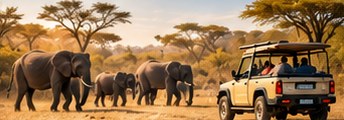
    2. They saw elephants, zebras, buffalo and a pride of lions, and met the conservancy rangers.
    3. They toured the Wildlife Works headquarters and made elephant dung paper with a local women's group.
    4. In April 2022 a second group of Grade 8 students went: safari drives, a hike up Marungu Hill, and a closing bonfire.
    5. We made a photo book so the students can share their experience for years to come.
    6. The trips show students the many careers in conservation — and help them "dream bigger".

    Next: Continue offering a safari to Future Hope Montessori School's Grade 8 students.

  • Programme report · Healthcare Support How Valor to Virtue has helped people get medical care they could not otherwise afford — in Kenya, Uganda and beyond.
    1. A five-year-old Kenyan boy had a rare tumour over 20 cm across, affecting his sight. We covered his medical costs, with a further $5,000 from our partner Sarai Solutions.
    2. His treatment began with an MRI in April 2021. After surgeries in September and October 2021, he is on the road to recovery.
    3. We financially supported a medical clinic built by Project Orphans in rural Uganda — with exam rooms, delivery rooms, a pharmacy, an operating theatre, a ward and a laboratory.
    4. In rural Uganda there is only one doctor for every 22,000 people.
    5. We have sponsored Cura for the World, which builds clinics and brings food and clean water to remote communities.

    Next: From 2022, healthcare is supported where there is a link to conservation.

  • Programme report · Education Support From one student's university degree to school renovations in Thailand — how we have supported learning.
    1. Dindi Mbingi, born in the slums of Kawangware: we began funding his studies in 2018 — fees, accommodation and a laptop. He graduated in 2021.
    2. 2019: we paid teachers' salaries at Future Hope Montessori School in Vipingo, through the Vipingo Village Fund.
    3. Two student safaris gave Grade 8 pupils first-hand lessons in wildlife and conservation.
    4. Since 2018 we have supported the Cultural Learning Foundation in Chiang Mai, Thailand.
    5. In 2019 the Foundation renovated school buildings, ran English activities for young pupils, and gave warm clothes to families through its Hug Nong project.

    Next: Open a community education centre covering marine and land conservation and sustainability. From 2022, education is supported where there is a link to conservation.

  • Programme report · Indigenous Planting & Rewilding Why we plant indigenous species, what we have learned, and how we plan to bring back the Kenyan coast's forests.
    1. Kenya's coastal forests are one of the world's top 25 biodiversity hotspots — but are being lost to development and exotic planting.
    2. November 2020: visited the Kivukoni Indigenous Tree Nursery, which grows around 350 indigenous species, several of them threatened.
    3. February 2021: set out a plan to turn the Vipingo garden into an indigenous garden — removing neem, frangipani and palms.
    4. Became corporate members of the Friends of Arabuko Sokoke Forest, a community group protecting the forest.
    5. Indigenous plants bring back wildlife, need little care and do not spread out of control.

    Next: Reforest land secured in 2021 with indigenous trees. Build a greenhouse at the Kilifi property and give saplings to the community for reforestation. Train staff in indigenous species with the Kivukoni nursery. 2026: research and reforestation, as part of a five-year plan.

2025 1 report

  • Year in review · 2025 in Review Partners: working with Pwani University, Arabuko Sokoke and Oceans Alive.
    1. Partnerships with Pwani University, Arabuko Sokoke and Oceans Alive — our three key conservation partners.
    2. Spending in 2025: $80,000.

2024 1 report

  • Year in review · 2024 in Review Rangers: vehicles for rangers and team training.
    1. Vehicles for rangers.
    2. Team training.
    3. Spending in 2024: $110,000.

2023 1 report

  • Year in review · 2023 in Review Sea turtles: Turtle Festival sponsor and a KWS Warden role.
    1. Sponsored the Turtle Festival.
    2. A KWS Warden role.
    3. Spending in 2023: $70,000.

2022 2 reports

  • Year in review · 2022 in Review Coast: twice-weekly beach clean-ups and the launch of our website.
    1. Twice-weekly beach clean-ups on Bofa Beach.
    2. Website launch.
    3. Spending in 2022: $95,000.
  • Meeting minutes · Board Meeting 28-05-2022 The board reviews recent work and agrees to focus on conservation from 2022.
    1. Since 2021: Dindi graduated, the young boy's operation was completed, two student safaris ran, and the Diani Sea Turtle Festival was sponsored.
    2. From 2022, education and healthcare will only be supported where there is a conservation link.
    3. Focus on sea turtle conservation and acquiring private land to protect habitats.
    4. Plan a greenhouse for indigenous saplings at the Kilifi property, to give to the community for reforestation.
    5. Add a donation button to the websites and set quarterly targets for the team.

    Next: KM to draft the mission and vision, a two-year plan, and three projects or partners to work with.

2021 3 reports

  • Year in review · 2021 in Review Land: land secured, surgeries funded and a student safari — our highest year of investment.
    1. Land secured: 5 land sites protected — 3 leases and 2 properties.
    2. Surgeries funded for a young boy.
    3. A safari for 20 students and teachers.
    4. Spending in 2021: $210,000 — the highest year, when land was secured and surgeries were funded.
  • Actions · Composting Implementation Report Why and how to start composting the waste from our properties.
    1. Food waste in landfill produces methane; composting it does not.
    2. Compost improves soil, replaces chemical fertiliser and reduces rubbish collections.
    3. It needs space, commitment and care — the right mix of "green" and "brown" waste, moisture and turning.
    4. Meat, bones and dairy need other methods, such as a bokashi bin.
    5. Weighing the waste would show how much is kept out of landfill.

    Next: Choose a composter design and location. Add simple signage, a staff training guide and colour-coded bins. Use the compost on our properties and share it with local farmers.

  • Actions · Vipingo Property Conservation A plan to turn the Vipingo garden into an example of indigenous planting.
    1. The garden mixes native and non-native plants; the back is laid out like an "English" garden.
    2. Frangipani, neem and palms are not native and offer little to wildlife — neem can also become invasive.
    3. Indigenous plants attract wildlife, need little care and do not spread out of control.
    4. Harmless exotics such as bougainvillea and moringa can stay, but new planting should be indigenous.

    Next: Remove neem saplings weekly, small neem trees and all frangipani. Change the garden slowly, guided by the Kivukoni Indigenous Tree Nursery. Train the gardener in indigenous species so he can help plan the garden.

2020 3 reports

  • Year in review · 2020 in Review Health: we meet a young boy who needs surgery.
    1. Met a young boy needing surgery.
    2. January: the board plans the move into conservation on the Kenyan coast.
    3. November: a visit to the Kivukoni Indigenous Tree Nursery and Oceans Alive.
    4. Spending in 2020: $62,000.
  • Actions · Kivokuni Indigenous Tree Nursery and Oceans Alive – Visit Report A visit to two local organisations near the Vipingo property, and the partnerships that could follow.
    1. The Kivukoni Indigenous Tree Nursery grows around 350 indigenous species, several on the IUCN Red List.
    2. Local concerns: rapid development, deforestation and non-native plants taking over.
    3. Oceans Alive and KCW-CBO run a community-managed marine area — the first in the Western Indian Ocean.
    4. Both are open to working with Valor to Virtue: staff training, trees for replanting and marine conservation.

    Next: Explore reforestation, indigenous nurseries on our properties and sea turtle protection together.

  • Meeting minutes · Meeting Minutes for Valor to Virtue Board The board plans the move into conservation on the Kenyan coast.
    1. Valor to Virtue has done charitable work in the USA and Kenya; the next step is conservation in Kenya.
    2. Children remain a main focus, especially conservation education.
    3. The coastal work centres on turtle conservation and replanting indigenous forest on private properties.
    4. Urgent medical care for a young child, "Bonnie", is a top priority.

    Next: Aim to secure 5–6 beach properties for turtle conservation. Build local partnerships, train staff and develop a strategic plan and budget.

2019 1 report

  • Year in review · 2019 in Review Schools: we pay teacher salaries at Future Hope.
    1. Paid teacher salaries at Future Hope.
    2. In Thailand, the Cultural Learning Foundation, which we support, renovated school buildings in Chiang Mai province and ran English activities for young pupils.
    3. Spending in 2019: $48,000.

2018 1 report

  • Year in review · 2018 in Review Education: we begin funding Dindi Mbingi's studies.
    1. Began funding Dindi Mbingi's studies — his fees, accommodation, living expenses and a laptop.
    2. Became a partner and financial supporter of the Cultural Learning Foundation in Chiang Mai, Thailand, in the year it was founded.
    3. Spending in 2018: $35,000.

2017 1 report

  • Year in review · 2017 in Review Founded: Valor to Virtue is set up with three focus areas — conservation, education and health.
    1. Organisation set up with three focus areas: conservation, education and health.
    2. Working mainly in Kilifi County, Kenya.
    3. Spending in 2017: $20,000.
Document