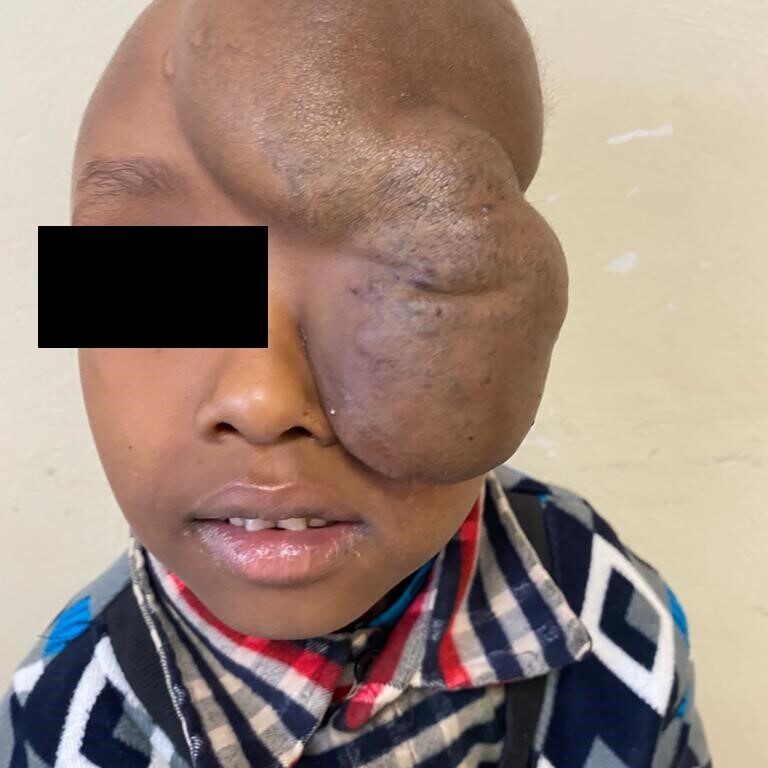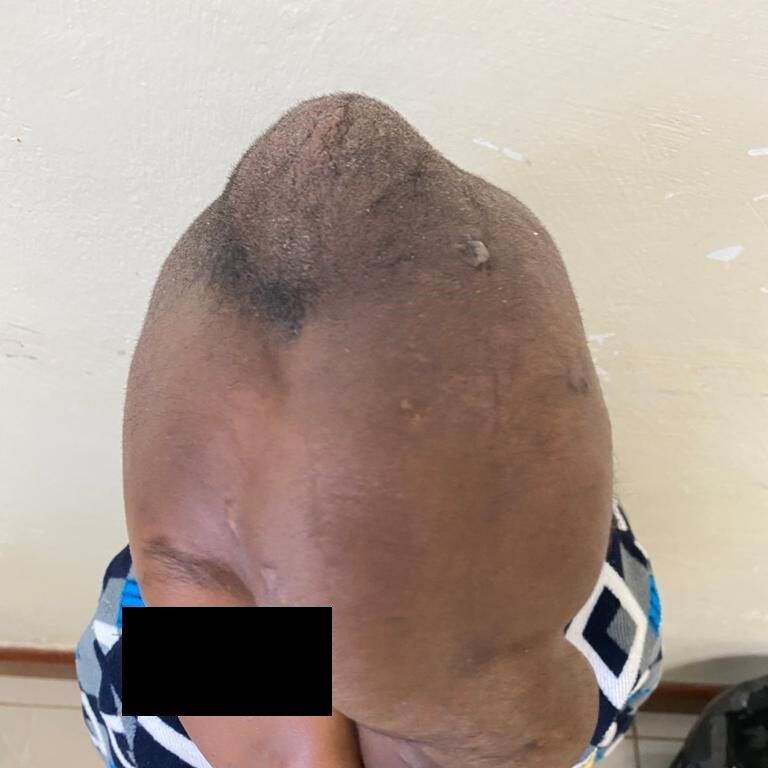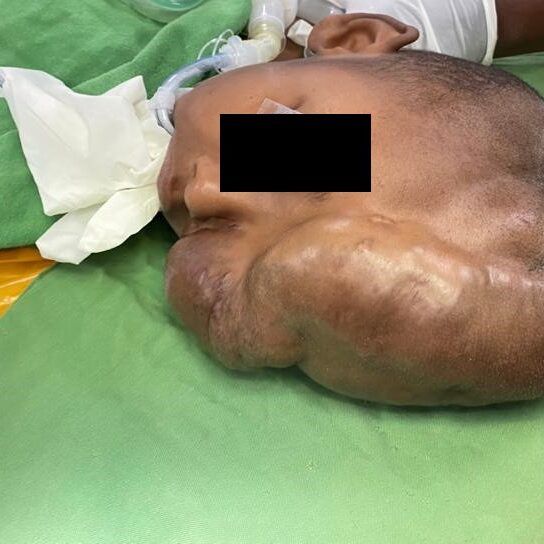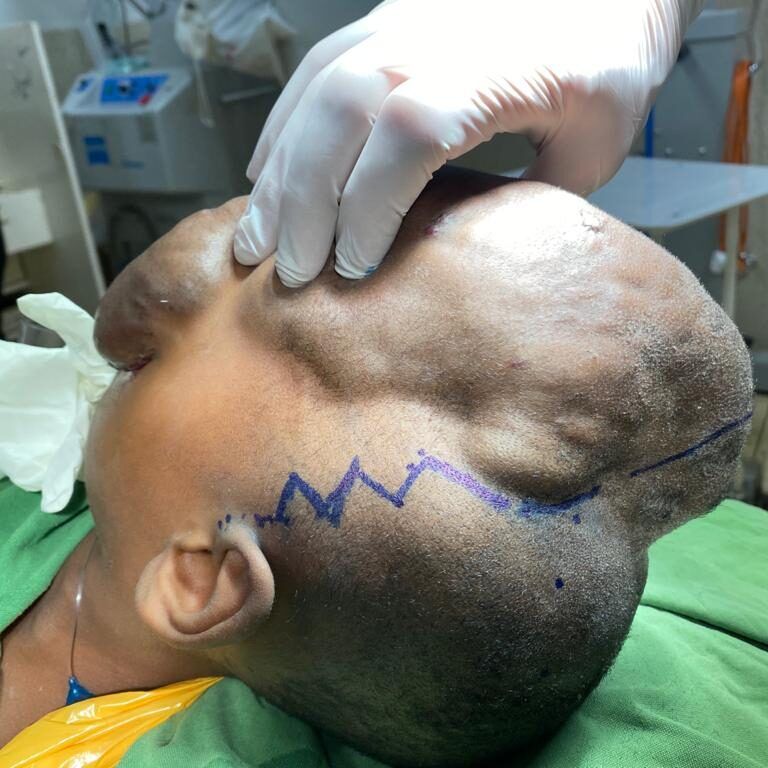
Hemangiomas is a benign tumor that occurs mostly in infants, often found on the head or neck (60% of cases). It usually appears around 2-4 weeks of age and can then grow rather rapidly initially, but growth in most cases eventually slows and stops around the age of 1 year. After this point, the hemangiomas in most cases will shrink and slowly disappear over the next several years. For many infants with hemangiomas, there is no cause for alarm and treatment is not needed. The cause is largely unknown and apart from a small lump of reddish skin, it has no real impact on the person.
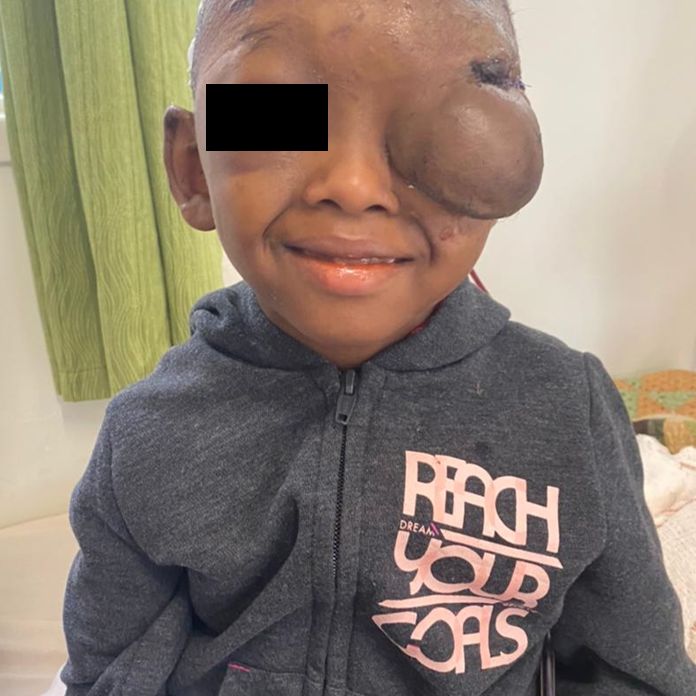
But in the rare occasions that it does not stop growing, it can not only be physically disfiguring, it can cause serious damage to the individual, requiring treatment, even surgery in some cases. With few reports of this, it is deemed to be very rare and the condition is known as giant craniofacial hemangiomas (GCH). Unfortunately, for a young Kenyan boy of 5 years old, this initial innocent growth did not regress in his younger years, leaving him with a disfiguring growth, hindering his ability to see and live life like any other normal 5-year-old. For it to be diagnosed as GCH, a minimum diameter of at least 5-6cm is normally what most doctors will go by. Shockingly in this particular case, the diameter measured over 20cm.
GCH can impact children in several ways, it can cause alopecia, deformation of features such as the ear, it can cause neurological deficits, such as facial paralysis or hearing loss, destroy tissue and organs. Depending on its location, it can cause a reduction of blood flow to the brain and can even cause heart failure due to high cardiac output. Therefore, left untreated it can lead to death.
This is made worse by the fact that GCH often causes physical and emotional distress to both the child and parents, significantly impacting their quality of life. If left untreated GCH has shown to cause increased social anxiety and reduction in social initiative, therefore without treatment, can have a detrimental impact on a child’s development and social competency. This is further exacerbated, as children with such disfigurements are often rejected or excluded by their peers. These early relationships in our younger years are vital for our development, and play an important role in ensuring healthy emotional development, social skills and self-belief, and without, can lead to anxiety disorders such as social phobia.
In the case of this young boy, he will require surgery, this will not only give him his full vision back but will make a huge difference to his development, ensuring that he is able to play and interact with his peers and that he grows to be both emotionally and physically healthy. Valor to Virtue is making this happen, the case is still ongoing but with Valor to Virtue’s help, this young boy will be able to live a normal life. If you would like to help this young boy or other children like him, then please donate to our projects. You can get in contact with us at info@valor2virtue.org.
Update
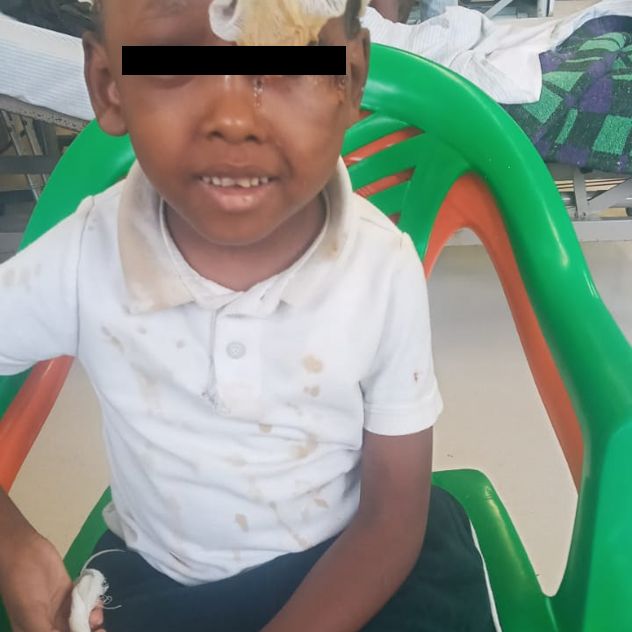
After almost a year, we are incredibly happy to report that this young boy has finally completed his surgeries and is now on the path to a full recovery and a brighter future.
This story began back in late 2020, where this young boy was first bought to Valor to Virtue’s attention. We will refer to this young boy as ‘John’. John had a vascular tumor, something he has lived with since birth.
To correct this, it would require surgery, however, this would need funding, which John and his family did not have. Valor to Virtue, having medically trained board members, could see that without surgery, John would never live a normal life. It did not take the board long to agree to fund the medical costs needed to help John. Furthermore, one of Valor to Virtue’s partners came to the rescue, Sarai Solutions LLC, a USA based business, donating a further $5,000 towards John’s surgery and medical bills.
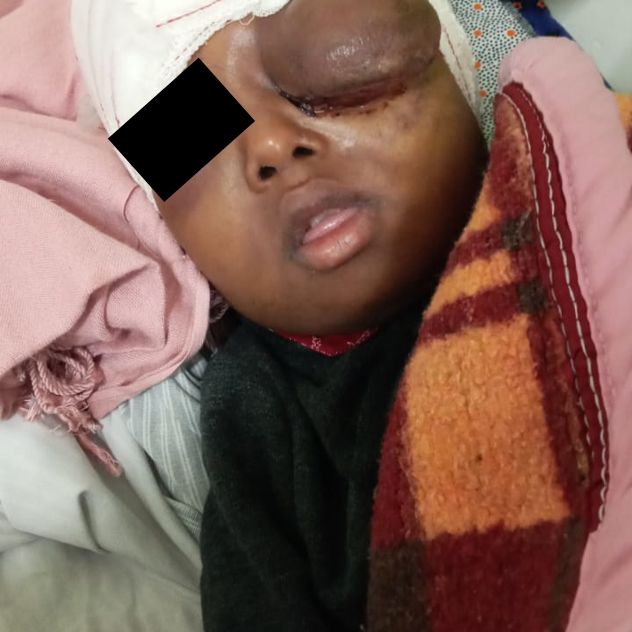
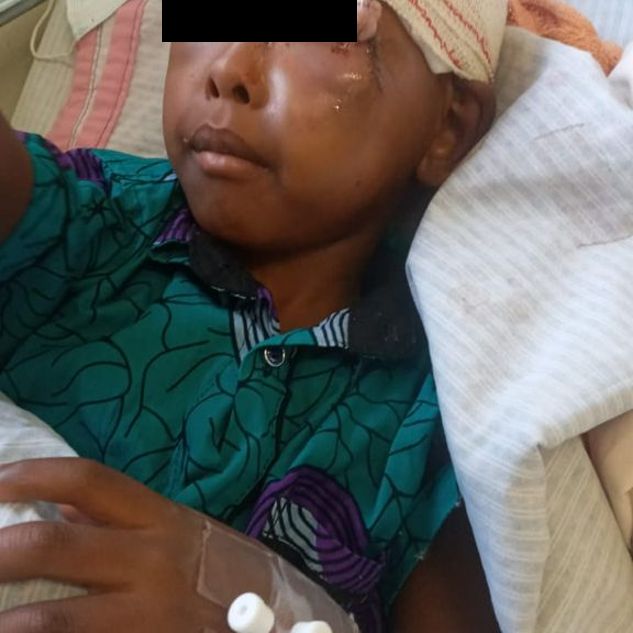
The journey ahead was a long and tough one, especially for John. His first visit to the hospital was in April 2021, where he had his first MRI scan. A specialist was introduced to John’s case and by July 2021, John began his consultations. By September 2021, John was admitted for his first surgery, which took 4.5 hours. The surgery was a huge success, and apart from the post-operative monitoring, he was able to leave hospital just 9 days after his surgery.
John attended weekly check-ups, and in October 2021 went for his second surgery to remove the malfunction on his eye. John is currently healing in hospital but we are happy to report the second surgery was also a success!